


Nordic market entry offers growth opportunities for B2B companies looking to establish a commercial presence in Scandinavia and the wider Nordic region. However, entering a new market requires more than identifying potential customers and introducing an existing product or service.
Local business practices, customer expectations and purchasing processes can influence how companies establish relationships and generate sales opportunities. For founder-led businesses and established international companies, a structured approach helps turn market potential into commercial activity.
This article explores how to select the right Nordic markets, build local sales capabilities and develop a sustainable pipeline through practical market entry execution.
Why Nordic market entry requires a structured approach
The Nordic region includes Denmark, Sweden, Norway, Finland and Iceland, alongside associated territories. Although these markets share economic and cultural connections, each has its own commercial environment.
For international B2B companies, entering several Nordic countries simultaneously can create challenges. Customer expectations may differ between markets, and established sales methods from a company's home country may require adjustment.
A structured market entry approach should address:
- Market potential: Identify industries and customer segments where the company's solution addresses a relevant business need.
- Competitive environment: Understand existing suppliers and the alternatives customers already use.
- Sales readiness: Evaluate whether the organisation can support local customer dialogues and longer purchasing processes.
- Commercial execution: Establish how potential customers will be approached and how opportunities will be developed.
Companies should connect their market research with practical sales activities from the beginning. This helps ensure that market entry decisions are informed by customer feedback rather than assumptions.
Choosing the right Nordic market for expansion
Selecting the first market is an important commercial decision, especially for businesses with limited internal sales resources. Sweden, Denmark and Norway are often considered together when companies discuss Scandinavian expansion. Finland is also an important market within the wider Nordic region, although language and business relationships may require a different approach.
The best starting point depends on the company's ideal customer profile and the industries it serves. For example, an industrial equipment manufacturer may prioritise markets with relevant manufacturing clusters. A SaaS provider might focus on industries where its existing customer cases can demonstrate clear business value.
Companies should also investigate whether their solution requires country-specific adjustments. Product requirements and compliance obligations can differ. Norway, for instance, participates in the European Economic Area but remains outside the EU customs union. A focused initial market allows the company to develop customer relationships while gaining practical knowledge that can support expansion into additional Nordic countries.
Why local presence matters in Nordic B2B sales
Local market presence can influence how potential customers perceive a new supplier. Buyers considering complex products often need confidence that the company understands their operating environment and can provide reliable communication.
Although English is widely used in international business, local language capabilities can improve the quality of commercial conversations. They may be particularly valuable when discussing technical requirements or involving stakeholders who prefer their native language.
Local sales representation supports several important activities:
- Relevant communication: Adapt outreach and customer conversations to the local business environment.
- Customer understanding: Identify concerns that may not emerge during standard international sales presentations.
- Relationship development: Maintain consistent contact throughout longer buying processes.
- Market feedback: Collect insights that help refine commercial positioning and future sales activities.
For international companies, an external sales function can provide local representation without immediately establishing a complete internal sales organisation. This approach is particularly relevant when customers require several meetings before progressing towards a commercial agreement.
From market entry strategy to qualified sales opportunities
A market entry plan becomes commercially useful when it creates relevant conversations with potential customers. Companies often begin with market research and an understanding of the industries they want to approach. The next step is translating this knowledge into an executable go-to-market approach.
Turning market research into commercial activity requires a structured process:
- Identify target accounts: Select companies that match the ideal customer profile and have a potential need for the solution.
- Reach relevant decision-makers: Use structured prospecting to identify stakeholders and initiate conversations based on their business situation.
- Qualify sales opportunities: Establish whether the customer has a genuine requirement and is willing to explore a potential solution.
- Develop the pipeline: Use consistent outbound sales activities and follow-up to turn initial interest into qualified sales opportunities.
For example, a software development outsourcing company entering Denmark may approach established businesses facing internal development capacity challenges. The initial conversation should explore whether external expertise is relevant and how the organisation currently manages development projects.
A meeting only creates meaningful progress when there is a credible commercial opportunity. By connecting market research with structured sales execution, companies can build a pipeline based on genuine customer needs and improve their understanding of the new market.
Building a sales process for longer Nordic buying cycles
B2B market entry often involves products or services that require significant consideration before purchase. Industrial solutions may involve technical evaluations and operational planning. SaaS platforms can require input from several departments before approval. Professional services buyers may need to understand how a new supplier will collaborate with existing teams.
For companies entering an unfamiliar market, these requirements make a structured sales process particularly important. Sales teams should focus on three operational priorities:
- Discovery: Understand the customer's business challenges and the reasons behind a potential purchasing decision.
- Pipeline management: Record opportunities in the CRM and establish clear next steps based on customer progress.
- Consistent follow-up: Maintain relevant communication as stakeholders evaluate the proposed solution.
A practical follow-up cadence helps salespeople remain engaged throughout the process without overwhelming potential customers. Companies should also distinguish between positive customer feedback and genuine buying progress. A productive conversation does not necessarily mean that the organisation is ready to make a decision. Clear qualification criteria and documented next steps help sales managers evaluate whether market entry activities are generating meaningful commercial opportunities.
External sales execution for founder-led and growing companies
Founder-led businesses often depend on the founder's commercial experience when expanding internationally. While this can work during initial customer development, maintaining consistent sales activity alongside operational responsibilities can become challenging.
Larger international companies may already have established sales processes but lack the local language capabilities or market knowledge needed to execute them effectively in Scandinavia.
An external sales function can support both situations by providing local commercial execution while representing the company's brand in customer conversations.
The main benefits include:
- Local market expertise: Understand customer expectations and business practices to establish relevant sales dialogues in Scandinavian markets.
- Consistent sales execution: Maintain structured outreach and follow-up without relying entirely on internal management resources.
- Qualified sales opportunities: Identify suitable customers, assess their needs and develop opportunities through meaningful commercial conversations.
- Scalable market presence: Establish local sales activities and evaluate market potential before committing to a larger internal sales organisation.
For companies with complex solutions, preparation remains essential. The external team must understand the product's business value and the customers it should approach.
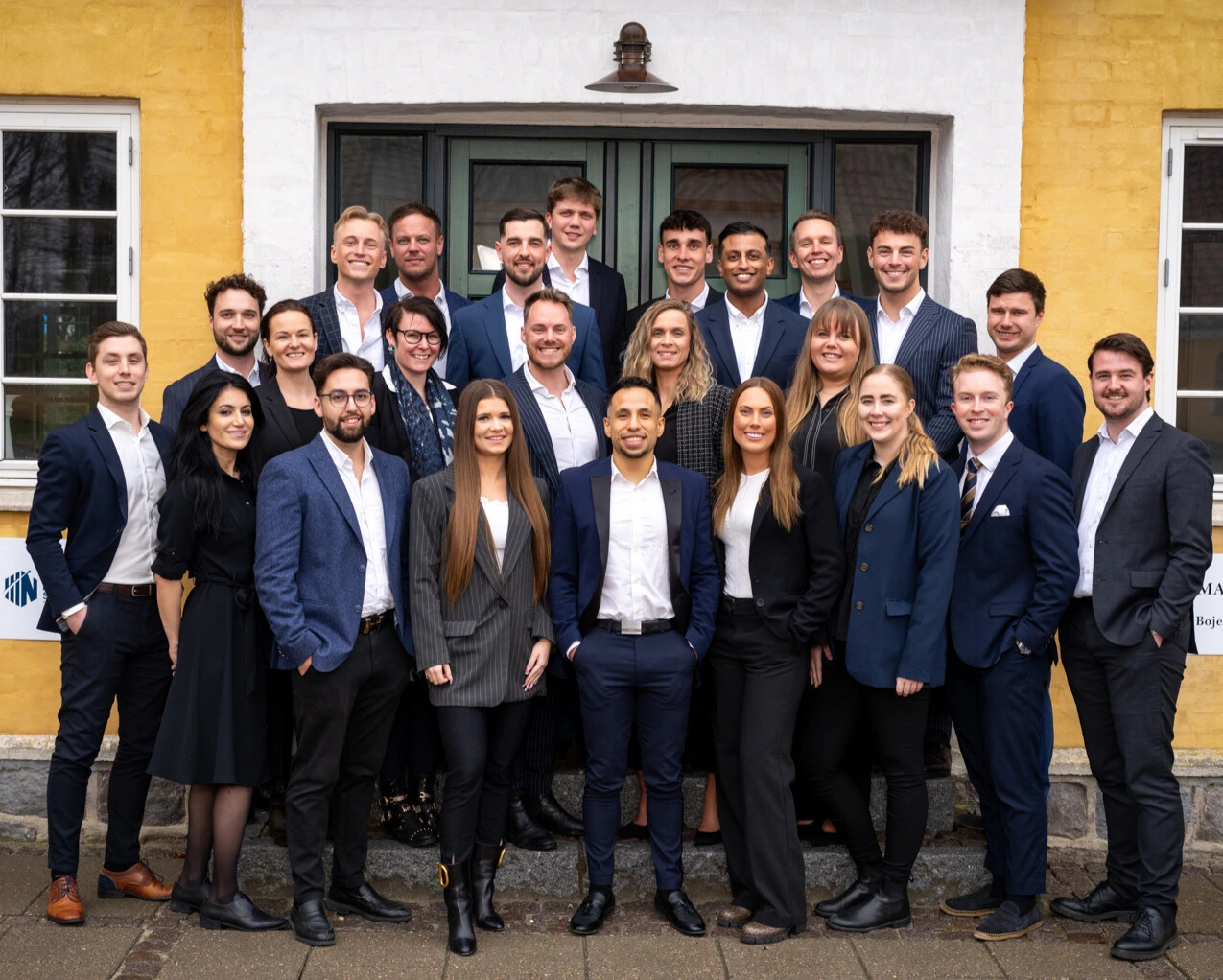
At Nordic Sales Force, the focus is on structured B2B sales execution, local market understanding and qualified customer dialogues. This approach allows internal management to remain involved in important sales decisions while local representatives manage the ongoing commercial activities needed to develop opportunities.
Turning Nordic market entry into sustainable sales growth
Nordic market entry requires a clear understanding of the target market and a consistent approach to developing customer relationships.
A successful entry depends on maintaining commercial activity while learning how local customers evaluate suppliers and make purchasing decisions.
For growing B2B companies, three priorities provide a practical foundation:
- Start with a defined market: Select customer segments where the company's solution has a relevant business application.
- Build local sales capabilities: Use market knowledge and language skills to establish meaningful customer relationships.
- Execute consistently: Maintain structured prospecting and follow-up to develop qualified sales opportunities.
Market penetration develops through relevant customer dialogues and consistent execution over time.
For founder-led businesses and established international companies, a structured Nordic market entry approach creates a clearer path from initial market research to long-term commercial presence.